For centuries, artists have sought innovative methods to transfer and refine images with greater ease. The advent of the modern drawing lightbox has revolutionized both sketching and tracing, turning what was once a painstaking task into an efficient and enjoyable process. Whether you are just beginning your artistic journey or are already a seasoned creator, this tool offers precision and clarity by placing adjustable illumination directly beneath your work. Today’s lightboxes merge advanced LED technology with practical design in a slim, USB powered device. Features such as adjustable brightness and convenient A4 size options make the drawing lightbox a valuable asset for any artist’s supplies kit.
What is a drawing lightbox?
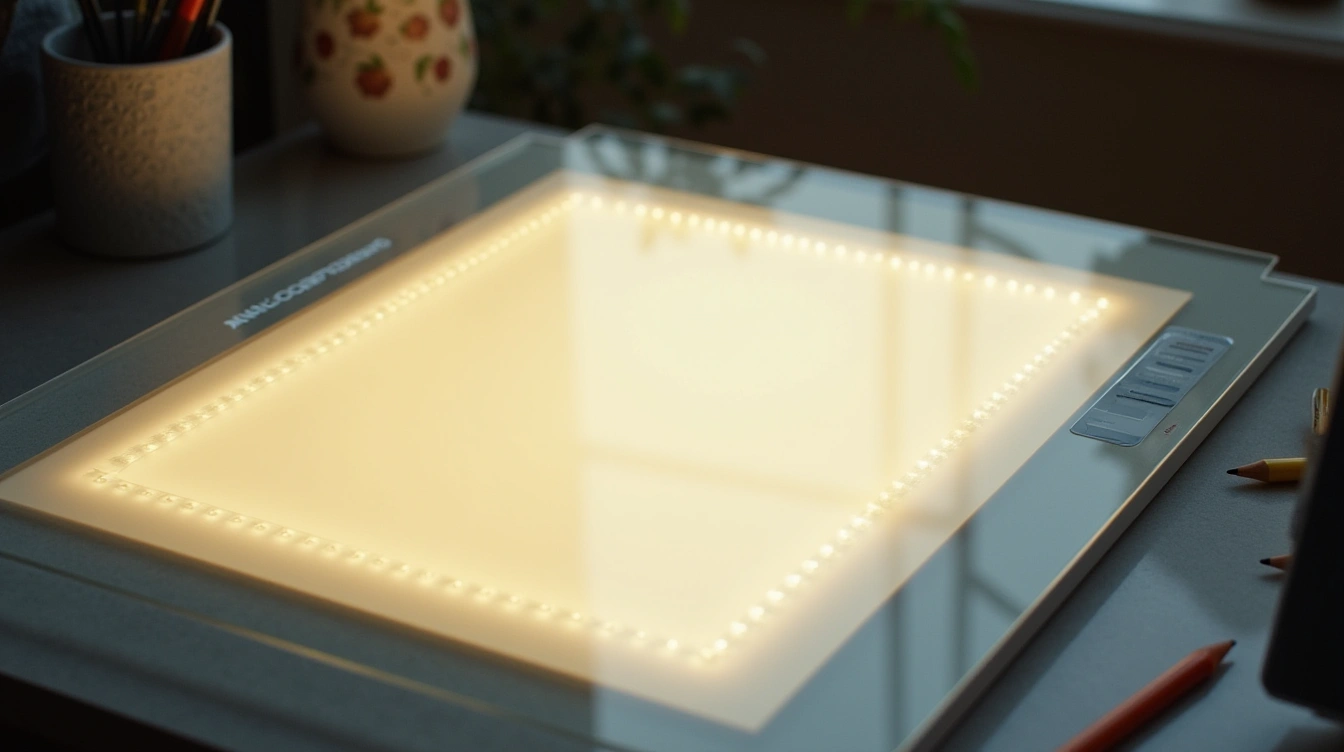
A drawing lightbox consists of a flat, translucent surface illuminated from below, designed to assist users in tracing, sketching, and transferring images onto paper. These tools commonly use energy-efficient LED panels to provide evenly distributed light, ensuring consistent brightness across the entire workspace. This uniform illumination allows for highly detailed tracing without causing eye strain.
Also to see : How Can Emerging UK Technologies Impact Traditional Industries?
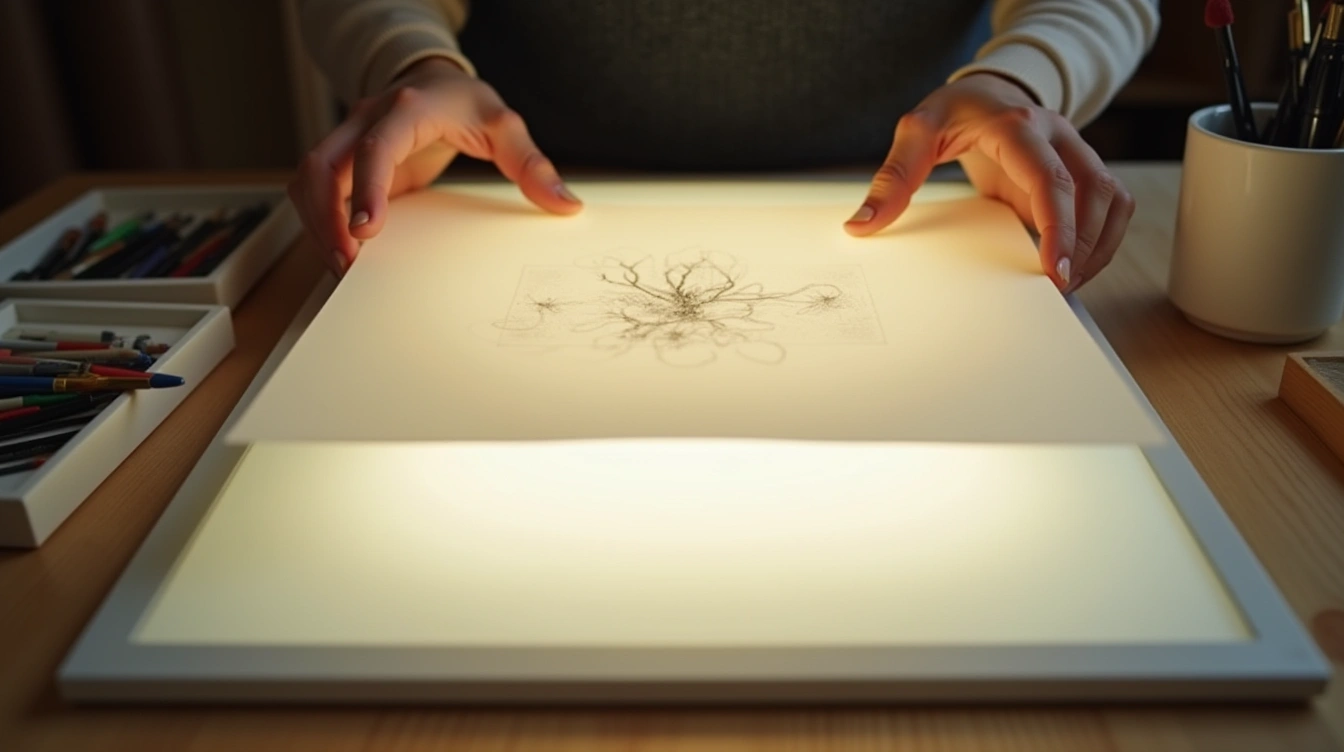
Creative professionals rely on lightboxes for a variety of tasks, including tattoo stencil creation, animation, architectural drafting, and enhancing original sketches. By streamlining the tracing process, these devices help boost efficiency and minimize errors during image replication.
Main features and benefits of modern lightboxes
Topic to read : How Is the UK’s Technology Sector Evolving Amid Global Challenges?
Lightboxes have evolved rapidly due to technological advances and feedback from artists. Understanding their main characteristics can guide buyers toward the best choice for their needs. An excellent example of these advancements can be explored at drawing lightbox.
The significance of LED illumination and dimmable options
LED lighting offers distinct advantages over traditional bulbs: it generates less heat, uses significantly less power, and delivers even illumination across the entire flat surface. Artists benefit from long sessions of sketching or tracing without discomfort or uneven visibility.
Most modern lightboxes feature dimmable controls, allowing users to adjust light intensity to match different materials—such as thin tracing paper or thicker watercolor stock. This adjustable illumination ensures versatility, making the device suitable for a wide range of creative projects and working environments.
The practicality of a flat and portable design
Contemporary lightboxes are engineered to be ultra-thin and lightweight, offering a portable solution that fits easily into bags or drawers. Portability is especially important for students and professionals who attend art classes or workshops away from home. Popular formats like A4 size strike a balance between sufficient workspace and easy transport.
The A4 size remains a favorite among artists because it accommodates most standard sheets and provides enough area for comfortable tracing while remaining compact. This form factor delivers both convenience and performance for daily creative routines.
Applications for artists and creative projects
Thanks to its flexibility, the drawing lightbox has become indispensable in countless artistic settings. Its functions extend far beyond basic tracing, supporting intricate detail work and ambitious creative endeavors alike.
Sketching and detailed illustration work
An illuminated surface makes it easier to develop rough outlines, refine drawings, and build up complex compositions. Animation specialists, comic book illustrators, and graphic designers all rely on lightboxes for frame-by-frame scene development. For beginners, tracing inspirational images builds confidence and enhances hand-eye coordination through regular practice.
Using a lightbox increases workflow speed and reduces fatigue, particularly when refining structures or managing multiple layers. It quickly reveals whether lines align properly—a key advantage for illustrators seeking accuracy.
Other uses: calligraphy, quilting, tattoo stenciling, and more
These versatile tools also serve many crafts beyond pencil and ink. Calligraphers appreciate the bright, even glow for practicing elegant lettering. Quilters use lightboxes to accurately transfer intricate patterns onto fabric. Tattoo artists depend on clear image projection when designing custom stencils.
Crafters, photographers, and educators find additional applications, from viewing photographic negatives to preparing educational diagrams. The broad utility of a quality lightbox explains its enduring presence in artists’ supplies worldwide.
Key considerations before purchasing a lightbox
Selecting the right lightbox involves more than comparing prices or choosing popular brands. Focusing on technical features and personal needs helps ensure satisfaction, whether for occasional use or daily studio work.
- LED brightness: Consistent and ample illumination supports comfortable tracing.
- Adjustable/dimmable settings: Adapt light levels to suit various papers and projects.
- USB powered connection: Offers flexibility for use with laptops or power banks anywhere.
- Surface area (A4 size): Accommodates common paper sizes and maximizes usability in tight spaces.
- Thickness and portability: Lightweight models allow for easy transport and storage.
- Flat/translucent surface: Ensures sharp image visibility and precise tracing results.
Additionally, consider durability, warranty coverage, and ease of cleaning—especially if the device will see frequent use in a busy studio environment.
Comparison table: popular lightbox features
Examining specifications side by side clarifies the differences between available products. Below is a comparison of core attributes to help guide your selection:
| Feature | Entry-level model | Advanced model |
|---|---|---|
| LED panel | Single intensity | Dimmable |
| Illumination/brightness | Moderate | High, adjustable |
| USB powered | Yes | Yes |
| Flat/translucent surface | Standard acrylic | Scratch-resistant glass |
| A4 size | Optional | Included |
| Thickness | 6 mm | 4 mm (ultra-thin) |
This overview highlights typical choices buyers face, helping them select a model tailored to their project requirements and mobility preferences.
Answers to common questions about drawing lightboxes
How does a lightbox improve tracing and sketching accuracy?
A lightbox offers uniform illumination through its flat, translucent surface, making the lines and details of an underlying image clearly visible through a new sheet. With adjustable LED brightness, users can fine-tune visibility depending on paper thickness or project complexity.
- Minimizes eye strain compared to window tracing
- Produces cleaner, more precise sketches
This leads to fewer mistakes and faster corrections throughout the creative process.
What makes LED lightboxes better for artists than traditional models?
LED lightboxes remain cooler to the touch, are more energy efficient, and typically outlast incandescent or fluorescent alternatives. Most units are now USB powered, which is ideal for portability and use with computers or external batteries.
- Adjustable/dimmable lighting for customized tasks
- Easy connections for mobile or stationary work
- Even, shadow-free brightness across the whole surface
Their flat, lightweight build further enhances comfort, especially for frequent users.
Can lightboxes be used for applications apart from sketching?
Absolutely. A lightbox serves not only artists but also calligraphers, quilters, crafters, engineers, and tattooists, providing precise illumination for a diverse array of creative and technical activities.
- Transferring quilt patterns
- Practicing hand-lettering and calligraphy
- Viewing photos and slides
- Producing stencils for tattoos
Teachers and hobbyists equally value the adaptability and reliability of lightboxes for both artistic and technical applications.
Which key features should one prioritize when selecting a lightbox for everyday use?
Frequent users should focus on dimmable LED brightness and the durability of a flat, translucent surface. The flexibility of USB powered operation is especially valuable for those attending classes or traveling. Opting for an A4 size model ensures compatibility with most tasks without adding bulk.
| Dimmable LED illumination | Ideal for adapting to various paper types |
| Portable, thin profile | Easy to store and carry |
| USB powered versatility | Works in nearly any setting |
Always match your purchase to your intended uses for the best results and long-term satisfaction.
In summary, the drawing lightbox stands as a vital companion for anyone involved in visual arts, crafts, or design. Its blend of advanced LED illumination, portability, and user-friendly features streamlines creative workflows and opens new possibilities for expression. As technology continues to advance, future innovations may further expand the role of lightboxes in both artistic and technical fields.